
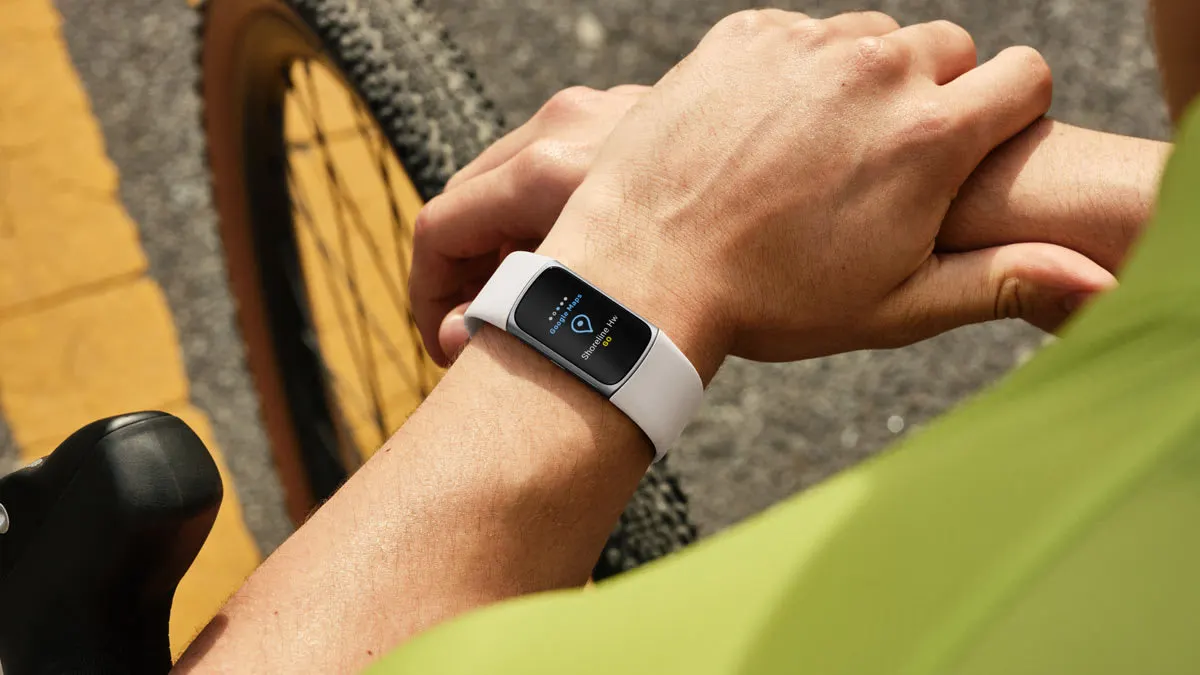
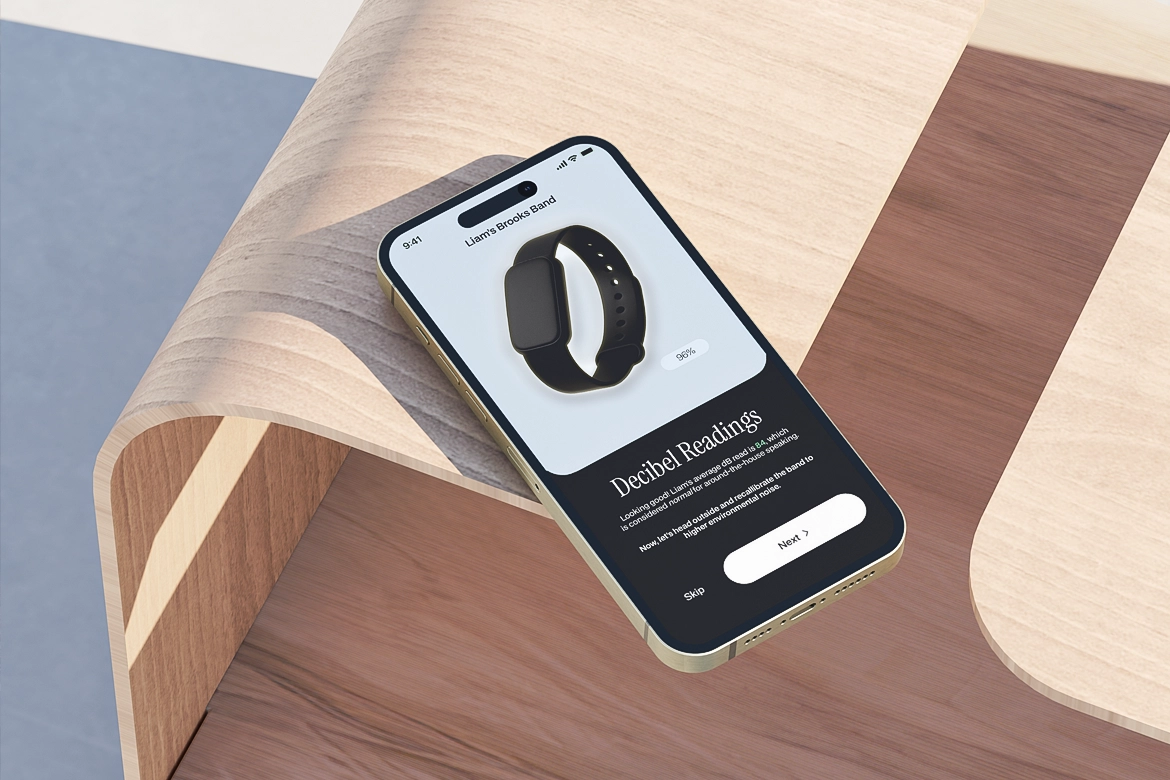
Regulate your voice with the Brooks Band.
When sensory input becomes hard to manage, your voice can rise without realizing. We’re creating science-backed ways to help neurodiverse individuals recognize and respond to their own sensory cues with confidence.
Bridging the Gap Between Sound and Awareness.
For many neurodivergent individuals, sound is not experienced or monitored in the same way it is for neurotypical peers. Differences in auditory feedback processing can influence how volume is perceived and regulated.
Voice modulation is a learned skill that relies on internal auditory feedback — the ability to hear and adjust one’s own volume in real time. For some individuals, that internal feedback loop functions differently. As a result, they may speak louder than they intend — not out of defiance or disruption, but because their brain does not automatically signal that adjustment is needed.
When someone is repeatedly told they are “too loud,” but cannot internally perceive what needs to change, the experience becomes less about behavior — and more about a missing sensory bridge.

A Gap Between Awareness and Tools
Therapy, accommodations, and coaching can provide meaningful support. But in real-world, moment-to-moment situations, there are few discreet, practical tools that help translate sound into self-awareness.
Families, educators, clinicians, and individuals are often left relying on verbal reminders or public correction — strategies that may interrupt behavior in the moment but rarely build internal regulation over time.
There is a gap between knowing support is needed and having the right tool to provide it.

The Emotional Ripple
Over time, constant correction can shape self-perception. What begins as a difference in volume regulation can quietly turn into embarrassment, social anxiety, withdrawal, or hesitation to participate.
Those around them feel the ripple too. Caregivers and professionals want to support autonomy and inclusion, yet often lack tools that reinforce independence rather than dependence.
This isn’t about silencing voices. It’s about equipping individuals with the tools to understand and regulate their own.
Meet the Brooks Band.
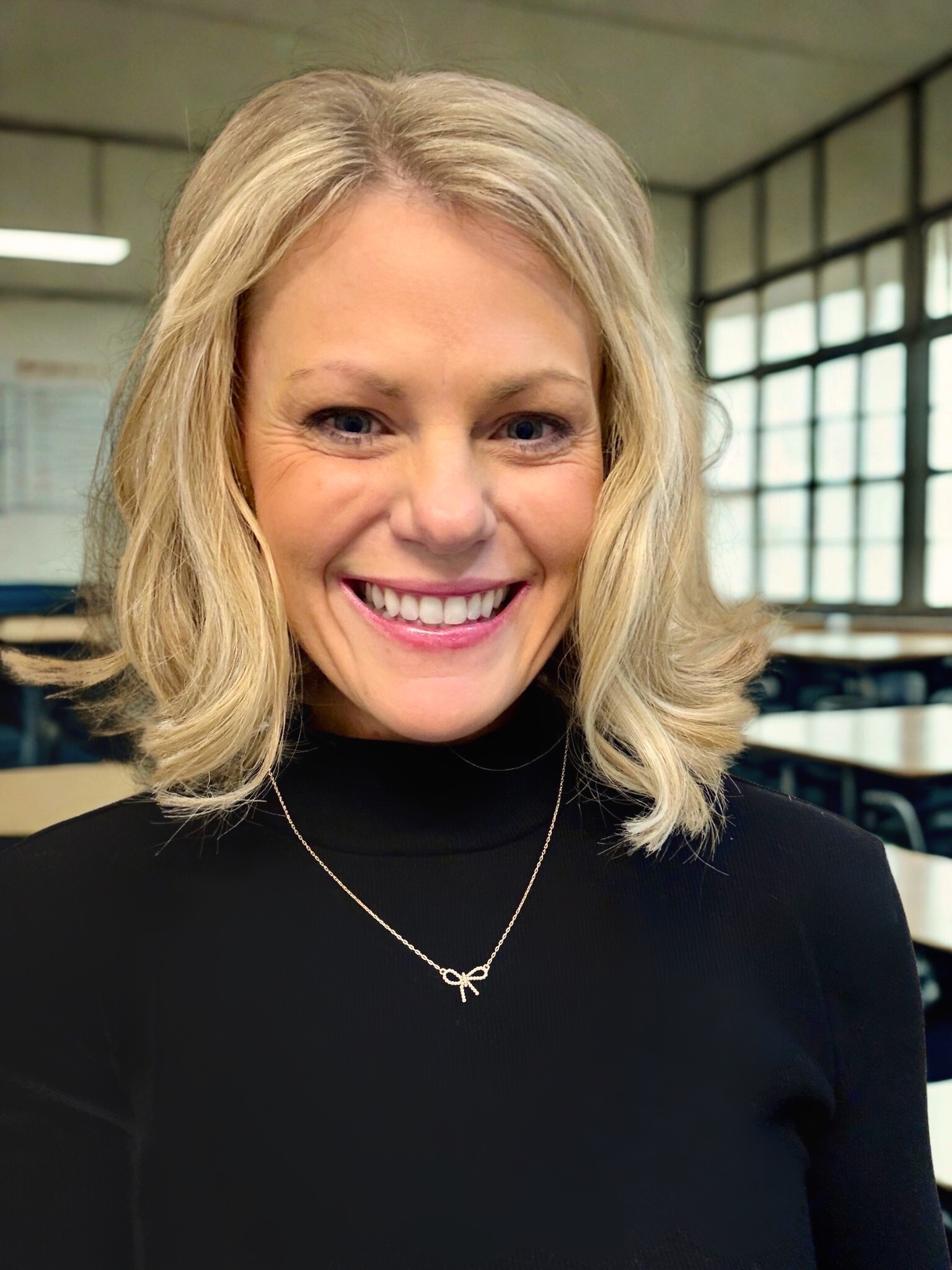
Built from a mother's love.
One day, a little boy I love came home from school silent and confused. His name is Brooks, and he'd been told — again — that he was talking too loud. He just couldn't tell. That quiet ride home broke something open in me.
I searched for something — anything — that could help him understand his own voice. But nothing existed. No tool. No device. Nothing designed with kids like Brooks in mind.
I'm not an engineer. I'm not a doctor. But I was determined. With the support of a UTC Mocs Innovate grant — and the encouragement of researchers, therapists, and a growing community of families who understood — I started building what didn't exist yet.
What began as one family's need became a movement. The Brooks Band is named after the boy who inspired it — and it's built for every "Brooks" like him.
Megan Cales
Founder & CEO, Sensory Bridges
A Year of Momentum
In just over a year, Sensory Bridges has gone from an idea to a movement. We launched with a UTC Mocs Innovate grant in January 2025, filed a provisional patent, and took the Brooks Band to SXSW with Vanderbilt. We've completed two NSF I-Corps cohorts, been named a finalist for ChaTech's Early Innovation Award, presented at the College Autism Network Summit, placed first in the NSF I-Corps Pitch Competition, and secured an agreement with UTC's College of Engineering. With IRB-approved testing underway and pilot studies on the horizon, we're just getting started.
.jpg)
We exist to bring peace, inclusion, and innovation through empathy-driven innovation.
Sensory Bridges exists to pioneer inclusive solutions for sensory wellbeing. We combine design, research, and empathy to build technologies that help neurodiverse individuals feel understood, supported, and empowered in the moments that matter most.
Innovation with Intention


Building Awareness

Bridging Communities
Our Team & Mentors

Megan Cales
Sensory Bridges; Founder and CEO

Chantz Yanagida
Stract Studio;
Lead Engineer

Jay Shaffer
Venture South;
Mentor

Kathy Melton
UTC Mosaic Program;
Advocate
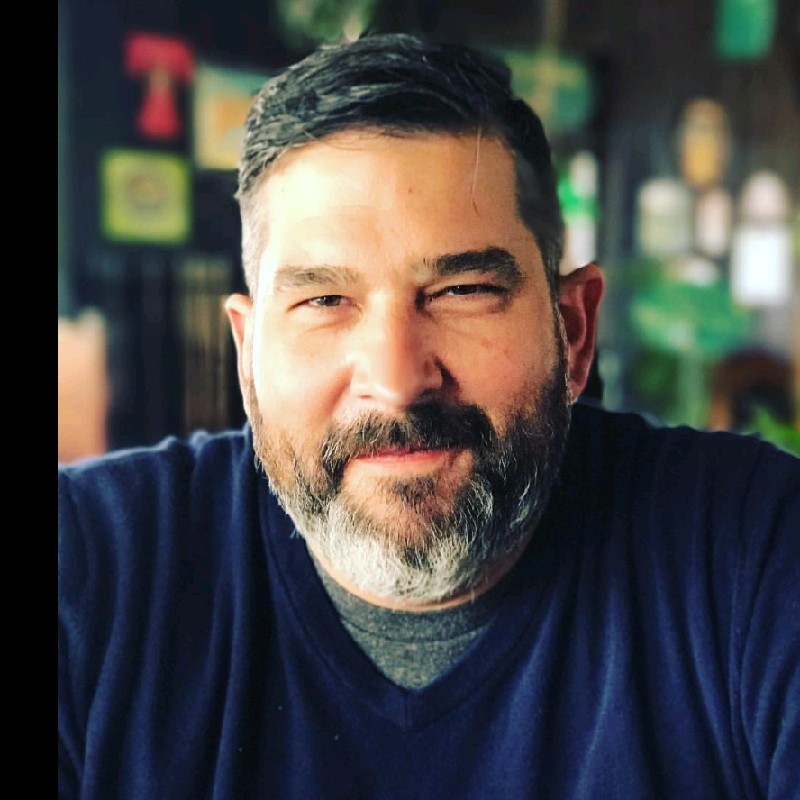
Bryan Barringer
Flow Venture Labs;
Mentor
Dr. Shae Minnick
N. GA Pediatric Therapies;
Pilot Partner
Tasia Malakasis
Company Lab;
Mentor

Mike Bradshaw
UTC;
Mentor
Allen Clark
Trousdale School;
Pilot Partner

Dr. Cindy Poole
UTC;
Occupational Therapist

David Cox
Orange Grove Center;
Advocate

Jennifer Skjellum
LaunchTN;
Mentor
Bob Vanderhoff
UTRF;
Mentor
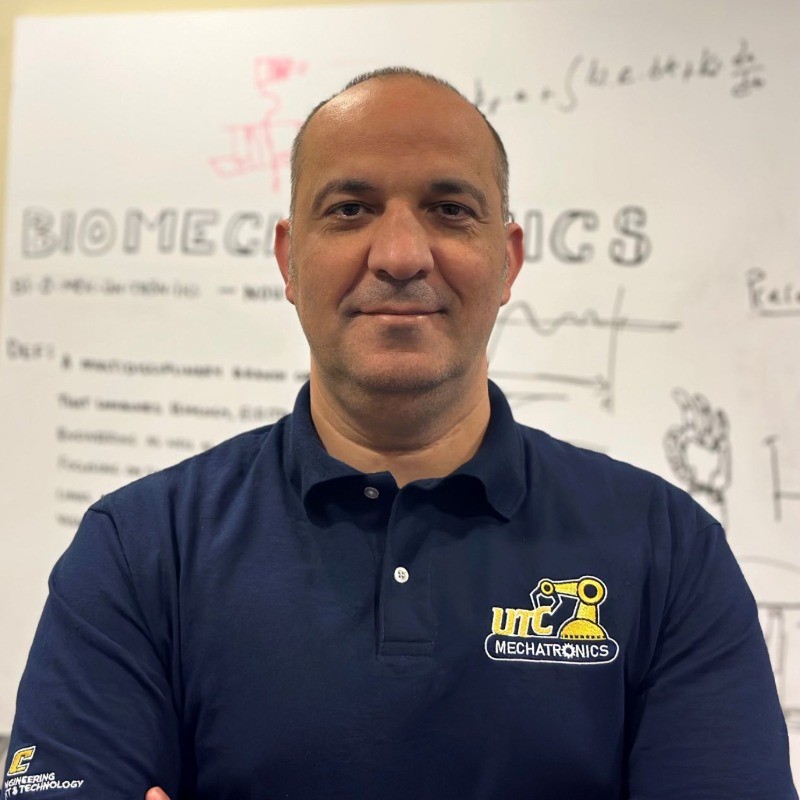
Erkan Kapalanogu
UTC;
Engineer
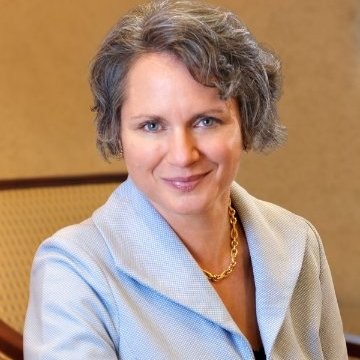
Stefanie Crowe
Aegle Wealth;
Mentor
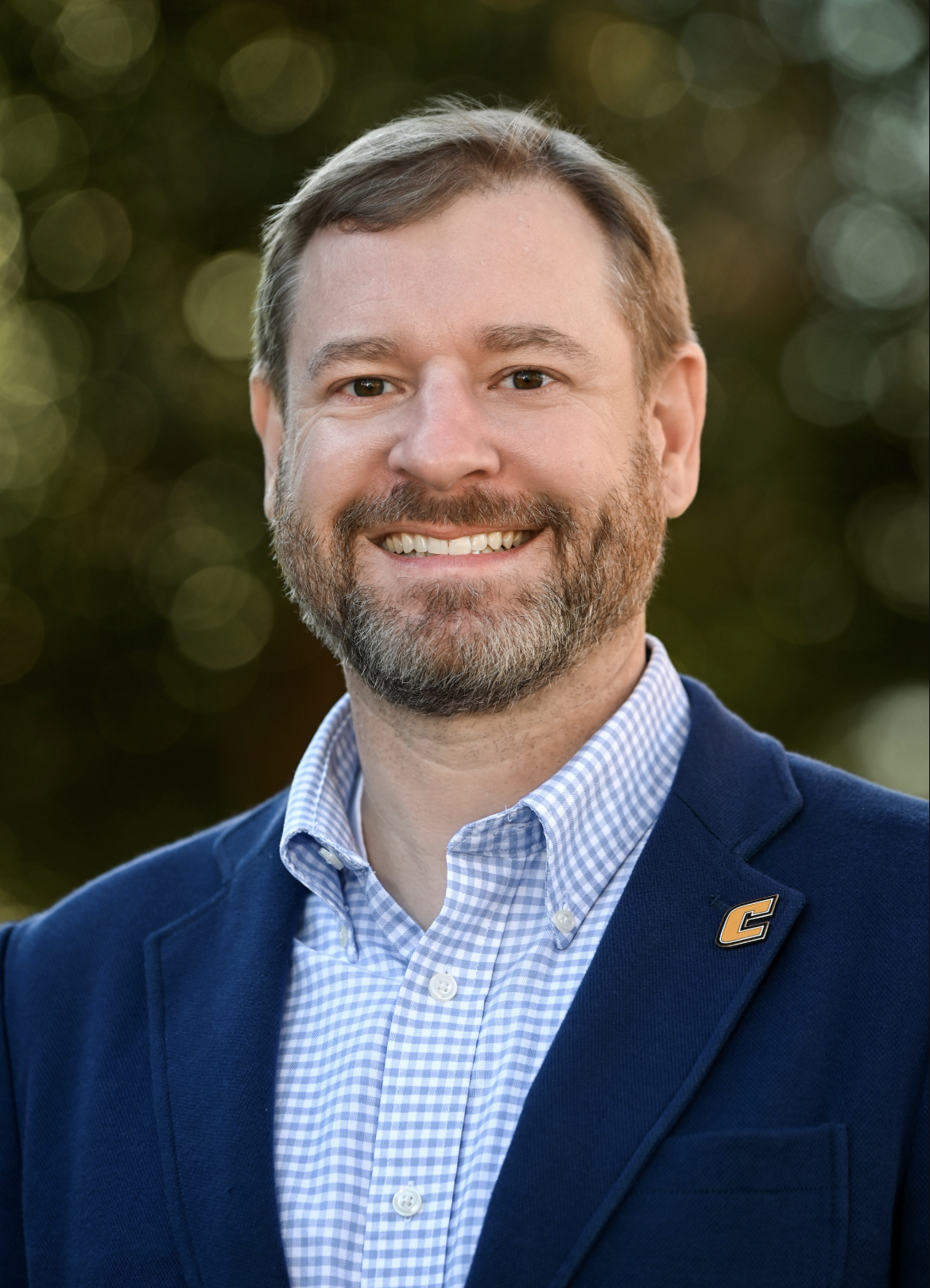
Frank Butler
UTC;
Mentor







The Latest from Sensory Bridges
Check out the Brooks Band on Talk Radio 102.3
Chattanooga entrepreneur, Megan Cales, founder and CEO of Sensory Bridges, discusses the Brooks Band with Jed on Talk Radio 102.3.
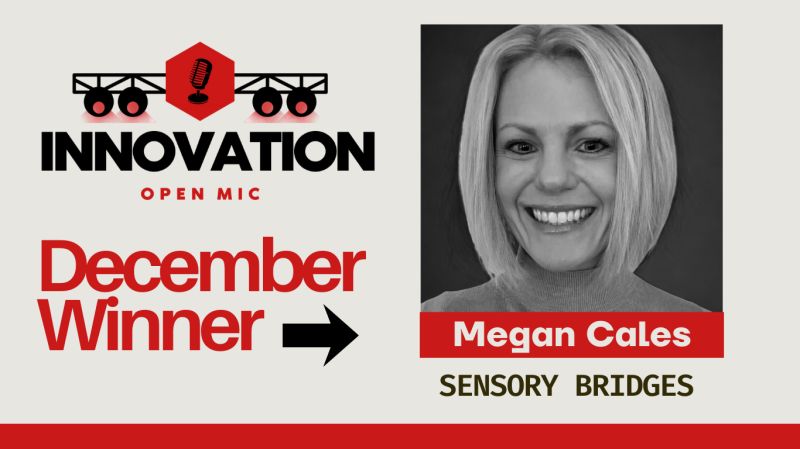
Innovation Open Mic Winner
Sensory Bridges, led by founder and CEO Megan Cales of Chattanooga, earned first place for the Brooks Band, a wearable device that delivers real-time vibration feedback to support voice regulation.
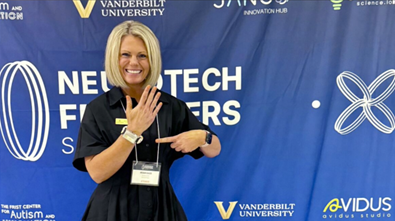
First-time founder, full-time faculty, single mom
Megan Cales, founder of Sensory Bridges and developer of the Brooks Band, is advancing her wearable tech solution for individuals on the autism spectrum. Read the full article in Teknovation.